In Aerostar, not only are we connecting passengers to their dream destinations–we’re facilitating the importation of goods that Puerto Rico needs while exporting local goods globally.
Over the last 10 years, we have connected millions of passengers with their destinations. But did you know we also serve a vital sector directly impacting the local economy? The Luis Muñoz Marín International Airport (SJU), is the primary importing and exporting goods and products airport in Puerto Rico, aka cargo. Last year, over 219,000 tons of merchandising passed through our terminals, ranking SJU as the 28th top airport with the most cargo transportation in the U.S.
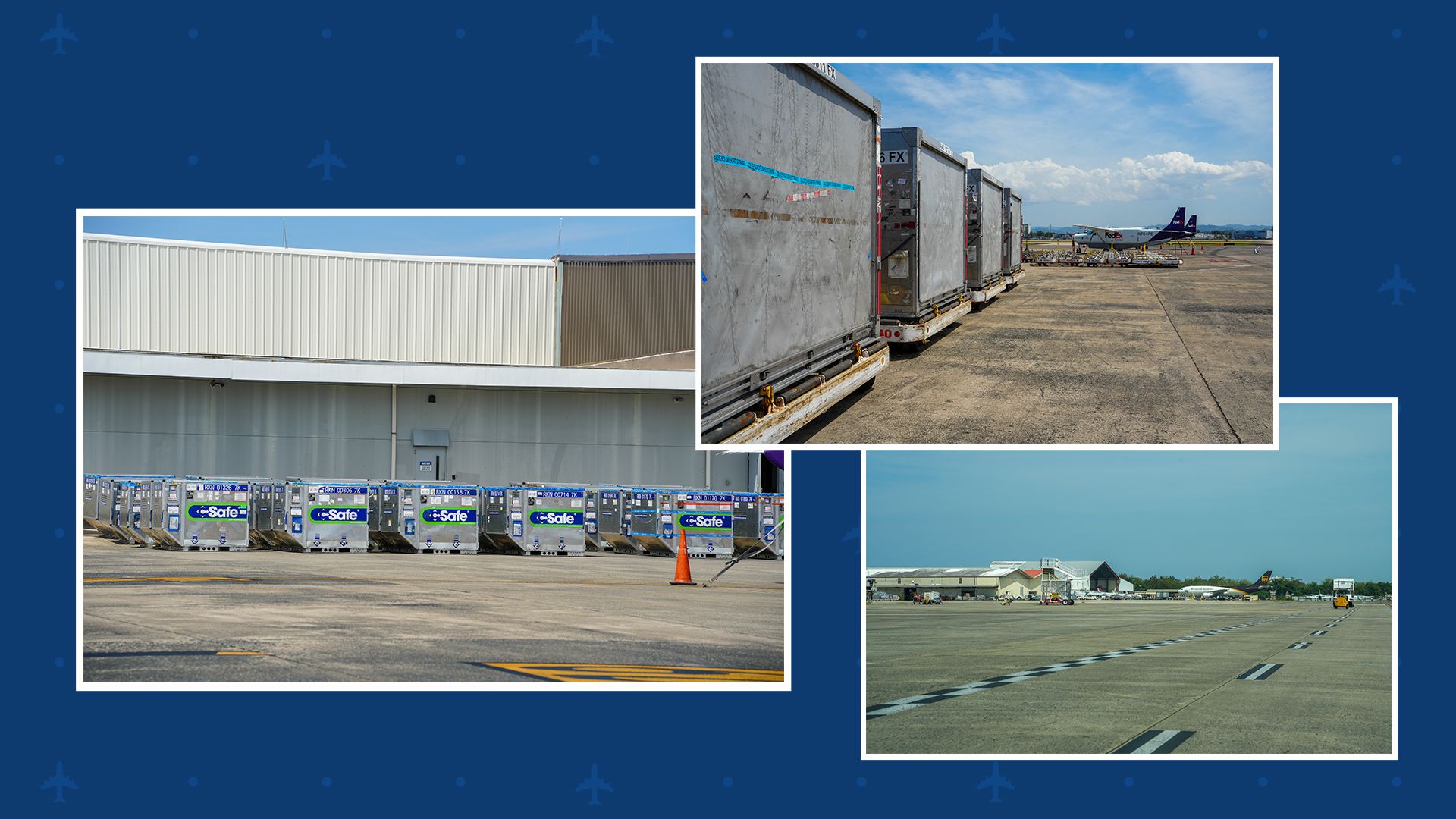
What is air cargo?
Kurt Schnosinsky, CEO of ViEMS Consulting & Advisor for the cargo area of Aerostar, walked us through a detailed explanation of what the cargo service entails. Air cargo is an aviation transportation service that moves merchandise from one destination to another. This type of service of moving goods is fast and adds a massive value to the products, making it more appropriate for sending products within the supply chain that might require expedited shipping.
Why is this service important?
Despite various challenges, Aerostar has achieved substantial growth in cargo that directly compliments the services offered to our passengers year after year. Supplying other sectors beyond just passengers is part of our mission and vision, which we use to support Puerto Ricans in their economic development, which in return, promotes trade and tourism.
Be as it may, the cargo service requires stricter quality standards and transportation, different from passenger transportation. Cargo is a unidirectional transportation method, so establishing a higher compensation for the cargo transported in the provided service is more challenging. In that sense, how the rate and merchandise are transported differs from the transport of passengers, that generally charge fees for the occupied seat. Cargo is measured by:
- Available tons per kilometer
- Weight and volume of the merchandise
- Cargo characteristics like temperature
- The dimensions of the goods
What is the reason for the increase in air cargo services?
First, the pandemic prompted a high demand for products such as masks, respirators, and vaccines to tackle COVID-19. In return, it caused a substantial change in the passenger transportation flow and air cargo. Several airlines traditionally served passengers began incorporating cargo transportation into their operations to expand their capacity and connectivity. Air Canada and Copa Airlines are two airlines that would typically fly passengers from Puerto Rico. Now, they operate cargo flights directly to the Island.
The improvement projects supporting operations and cargo logistics are contributing to positioning the airport as one of the main ones in the Caribbean. Schosinsky reassures that air cargo will continue to increase.
“An efficient airport that understands its logistics and optimizes its quality standards can provide the best developmental opportunities for high-demand sectors such as pharmaceuticals and biotech. Understanding cargo needs can allow Puerto Rico to continue connecting with the world while ensuring that their products are transported under the best conditions,” said Schosinksy, who has 25 years of experience in the logistics industry.
What does the future hold for the Luis Muñoz Marín International Airport cargo services?
The expert prioritizes improving quality standards for managing pharmaceutical cargo because they are one of the most rigorous products in handling and care. We guarantee a good standard in handling other supply chain products that benefit from these improvements. Therefore, a large part of the airport logistics community is training to achieve CEIV certification (Center of Excellence for Independent Validators in Pharmaceutical Logistics), which guarantees best practices for handling pharmaceutical products in the air cargo area.
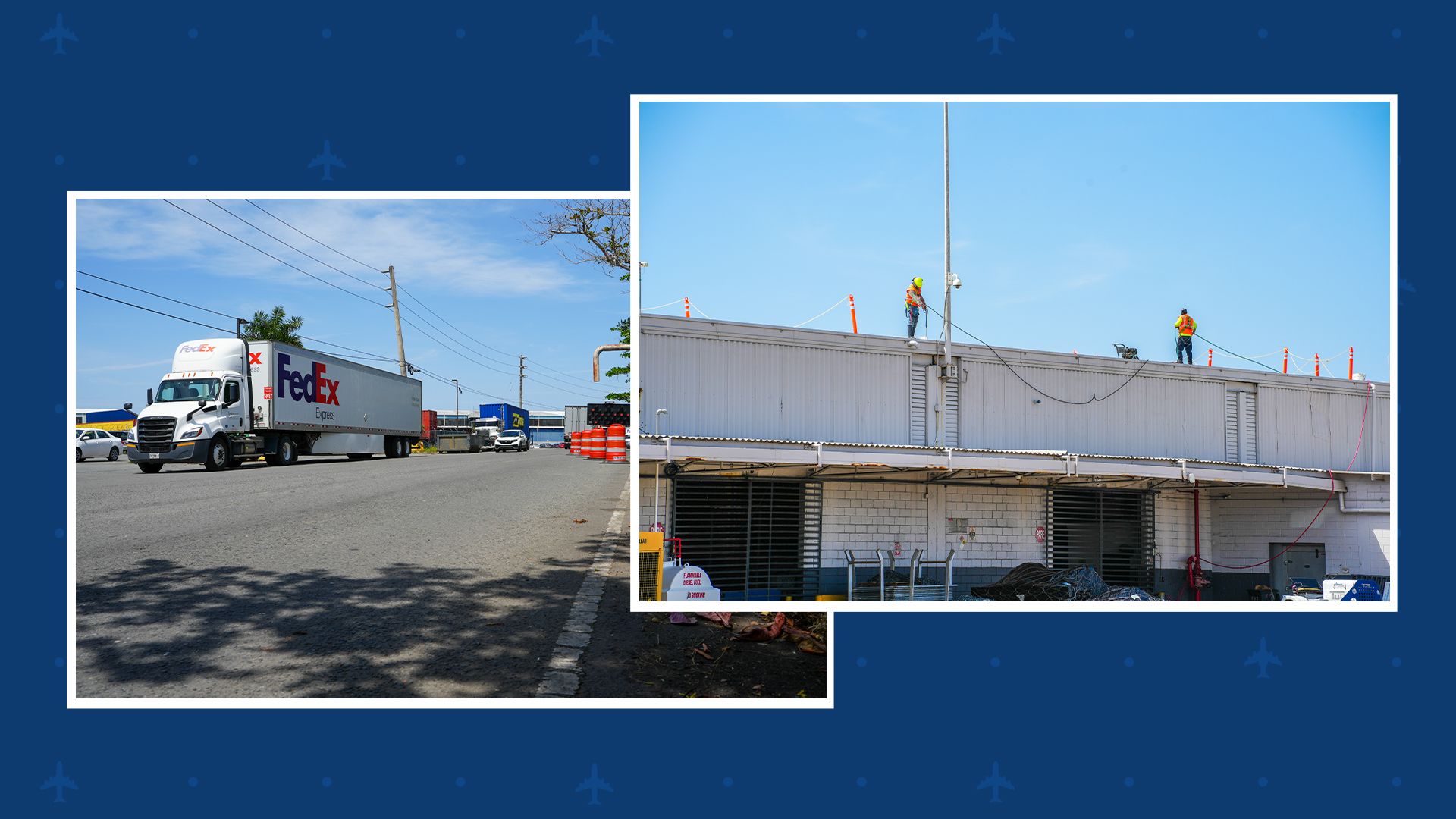
Another aspect that influences the quality of the cargo service is the route that transports goods once they reach their destination. For that reason, Aerostar has invested $4.6 million to improve the highway that connects the ground carriers to the cargo terminals, to ensure an agile route, and to preserve the goods. Several phases of structural improvements of top cargo terminals are being worked on, including that of the international transport company FedEx, which was built according to its operational needs.
Finally, Schosinsky mentioned that the air transport of merchandise had increased by more than 20% since 2019. The pandemic has been one of the main reasons for this growth. Airlines have found a great opportunity in the Puerto Rican market to transport cargo, import and export different products, including electronic commerce, pharmaceutical products, and cargo in general.
Aerostar continues to be a leader in the Caribbean with passenger services and the import and export of cargo. Not only do we supply Puerto Rico, but we also encourage a constantly growing economy connected to the rest of the world.
Watch the whole interview with Kurt Schosinsky and learn more about our air cargo services here.